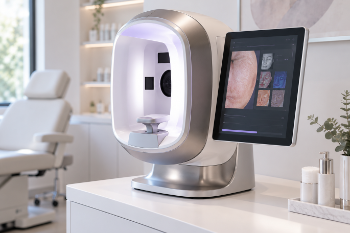
What is Digital Imaging?
Digital imaging equipment includes specialist cameras, scanners, and software platforms used in medical aesthetics to capture, analyse, and present a patient's skin condition. In this category, buyers typically find dedicated skin analysis systems that use standard, UV, cross-polarised, and parallel-polarised light to reveal pigmentation, vascular activity, wrinkles, pores, and surface texture beneath the visible skin surface. Alongside these are 3D imaging platforms that map facial volume and contour, widely used to plan and evaluate dermal filler and other volumising treatments.
The category also includes standardised clinical photography systems designed to produce consistent, repeatable before-and-after images, along with the software that stores, compares and reports on these results over time. Some systems combine hardware and software into a single consultation station, while others are modular, pairing a camera or imaging head with a practice management or patient record platform.
Digital imaging has become an important part of modern aesthetic practice because it turns subjective skin assessment into objective, visual data. This supports clinical decision-making, helps track treatment progress accurately, and gives practitioners a powerful tool for patient consultations and informed consent.
Common Uses
Digital imaging systems are most commonly used during initial consultations, where they help identify concerns that may not be obvious to the naked eye, such as early pigmentation, sun damage or vascular changes. Practitioners use this information to build tailored treatment plans and to set realistic expectations with patients before any procedure begins.
Throughout a course of treatment, imaging monitors progress objectively by comparing scans or photographs taken at different stages to show improvement in skin texture, pigmentation, fine lines, or facial volume. This is particularly valuable for treatments where change happens gradually, such as skincare programmes, microneedling courses or collagen-stimulating injectables.
These systems are used across a wide range of clinical environments, including dermatology clinics, medical spas, cosmetic surgery practices and skincare-focused beauty clinics, wherever there is a need to document, compare and communicate skin condition over time.
Who Uses These Products?
A broad cross-section of the aesthetics industry uses digital imaging technology. Aesthetic doctors and cosmetic nurses use skin analysis and 3D imaging to support treatment planning and patient consultations, particularly for injectables, skin rejuvenation and combination treatment programmes. Dermatologists rely on imaging to track pigmentary and inflammatory skin conditions over extended periods.
Plastic surgeons and dentists working in facial aesthetics use 3D imaging platforms to plan procedures involving facial contour and volume. Beauty therapists and skin clinics use more accessible skin analysis devices as consultation and retail tools, helping recommend appropriate skincare products and treatment courses. Training academies also use imaging systems to teach assessment skills, while distributors and manufacturers list new and pre-owned units through marketplaces like this one to reach a wider range of buyers.
What to Consider Before Buying
When buying digital imaging equipment, consider whether a new or refurbished unit better suits your budget and clinical needs, as refurbished systems from reputable sellers can offer significant savings with minimal compromise. Check what warranty is included and whether ongoing manufacturer or third-party support is available locally in the UK, since some imaging platforms rely on proprietary software that may require specific servicing arrangements.
Software updates and licensing terms are also important, particularly for systems that use cloud storage or subscription-based reporting tools, as ongoing costs can vary considerably between providers. Consider compatibility with your existing practice management software or patient record system, and check whether any consumables, such as calibration targets or specific lighting components, are needed to keep results accurate over time.
Training is another factor worth weighing up, as getting full clinical and commercial value from an imaging system often depends on staff being confident using it during consultations. Finally, consider running costs and return on investment: a well-used imaging system can help convert consultations into bookings, so weigh the purchase price against its ongoing value to the practice.
Buy Digital Imaging on CosmeticClassifieds.co.uk
CosmeticClassifieds.co.uk brings together digital imaging listings from clinics, manufacturers, distributors and private sellers across the UK, all in one place. Whether you are looking for a compact skin analysis camera for a single consultation room or a full 3D imaging platform for a larger practice, you can browse a range of new, refurbished and pre-owned equipment to suit different budgets and clinical requirements. Compare listings, review specifications and seller details, and find imaging equipment that matches your practice's needs.
Related Categories
Practices exploring digital imaging equipment may also wish to browse consultation and diagnostic equipment more broadly, as well as clinic furniture designed for consultation rooms. Those focused on treatment planning for injectables and facial aesthetics may find related equipment within dermal filler and toxin consumables, while clinics building out their assessment capabilities may also be interested in general diagnostic and skin assessment devices used alongside imaging systems.